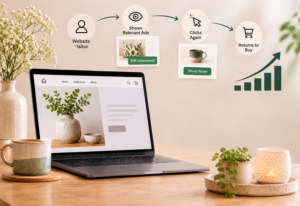
Initially, potential guest discovers your restaurant on Instagram, searches on Google, and visits your site to view menu or reserve. But if the website is slow, difficult to navigate, or unclear about what the restaurant offers, that interest can disappear just as quickly as it arrived.
For hotels and restaurants, a website is more than a digital brochure. It is often the first meaningful interaction a customer has with the brand, and one of the most important touchpoints in their booking journey.
A strong website is also an essential part of a hospitality digital marketing strategy, helping hotels and restaurants improve online visibility, attract potential guests, and generate more direct bookings.
In addition, a well-designed hospitality website should communicate the brand experience, make information easy to find, and encourage action.
Whether you operate a boutique hotel, a fine-dining restaurant, or a casual café, here are 12 essential elements every hospitality website needs to turn visitors into customers.
1. Firstly, create a strong first impression that reflects your brand.
Your website should communicate the experience customers can expect before they even walk through the door.
Additionally, emphasize high-quality photography, thoughtful typography, consistent colours, and clear messaging to shape your brand personality. A luxury hotel may focus on elegance and exclusivity, while a neighbourhood café might communicate warmth and familiarity.
However, the design should feel like an extension of the physical experience, not a generic template.
For example – Taylor Adam:
Additionally, Taylor Adam in Singapore uses a distinctive speakeasy concept built around a hidden bar behind a tailor shop. Its website carries this narrative through its opening messaging, creating curiosity and setting the mood before visitors explore the menu or make a reservation.
2. To enhance flow, Clear and Easy Navigation
Visitors should never have to search endlessly for basic information.
Your navigation should make important sections immediately accessible, including:
- Home
- About Us
- Rooms or Menu
- Experiences
- Gallery
- Reservations or Bookings
- Contact Information
Keep the navigation simple and intuitive. Avoid overcrowding the menu with unnecessary pages.
The easier it is for visitors to find what they need, the fewer obstacles stand between them and a booking.
3. High-Quality Visuals That Sell the Experience
Hospitality is an experience-driven industry. People want to see what they are booking before they commit.
Hotels should showcase rooms, amenities, dining areas, views, and property facilities. Restaurants should highlight signature dishes, interiors, plating, and the overall atmosphere.
Invest in professional photography and videos that reflect the actual customer experience.
Avoid using generic stock photographs or AI-generated images that could make your business look interchangeable with competitors.
Ready to Grow Your Hotel or Restaurant Online
Create a user-friendly, engaging website that turns online visitors into bookings and enquiries.
4. Prominent and Accessible Booking Buttons
Your website should make the next step obvious.
Whether visitors want to reserve a table, book a room, enquire about an event, or purchase a gift voucher, the relevant action should be easy to find.
Use clear calls to action such as:
- Book a Table
- Reserve Your Stay
- Explore the Menu
- Book an Experience
- Enquire Now
Place these buttons strategically across the website rather than restricting them to the contact page.
For example – Taylor Adam:
Taylor Adam gives visitors dedicated pathways to explore its menu, make reservations, discover membership benefits, and enquire about private events. This helps accommodate different customer intentions without forcing everyone through the same journey.
5. Mobile-Friendly Website Design
A large share of hospitality discovery happens on mobile devices. People often search for restaurants, compare hotels, or make last-minute reservations while travelling or commuting.
Your website should adapt seamlessly to different screen sizes.
Check that:
- Text is readable without zooming.
- Buttons are easy to tap.
- Images resize correctly.
- Menus are accessible.
- Booking forms work smoothly.
- Pages load efficiently.
A website that looks impressive on desktop but becomes difficult to use on mobile can lose potential customers.
6. Fast Loading Speeds
People are unlikely to wait around for a website that takes too long to load.
Large image files, unnecessary animations, unoptimised videos, and poorly configured plugins can slow down a hospitality website.
Compress images, use efficient hosting, reduce unnecessary scripts, and optimise your website’s technical performance.
A faster website creates a smoother experience for visitors and supports your broader SEO efforts.
7. Search Engine Optimisation (SEO)
A beautiful website is only useful if potential customers can discover it.
Hospitality brands should optimise their websites for the searches their customers actually make.
For example:
- Boutique hotels in Singapore
- Best Italian restaurant in Bangalore
- Luxury dining experiences in Singapore
- Family-friendly hotels near [destination]
Focus on relevant keywords, descriptive page titles, informative content, image alt text, and well-structured website pages.
Local SEO is particularly important for restaurants and hotels because customers frequently search for businesses based on their location.
8. Menus, Pricing and Essential Information
One of the most common reasons visitors leave a hospitality website is that they cannot find the information they need.
Restaurants should make menus, dietary options, opening hours, and location details accessible.
Hotels should clearly communicate room categories, amenities, check-in policies, facilities, and relevant pricing information.
Avoid making visitors contact your team for basic information that could easily be displayed online.
For example – Taylor Adam:
Taylor Adam makes its food and beverage menus accessible through dedicated website sections. It also highlights its opening hours, location, membership benefits, and private-event offerings, helping visitors explore the experience before enquiring or visiting.
9. Simple and Convenient Booking Forms
A booking process should be as straightforward as possible.
Ask only for the information necessary to complete the reservation. Avoid lengthy forms, confusing instructions, and unnecessary steps.
For restaurants, include the date, time, party size, and contact details.
For hotels, make room selection, availability, dates, and guest details easy to understand.
If you use an external booking platform, ensure the transition feels seamless and that visitors understand where they are being redirected.
10. Customer Reviews and Social Proof
People trust the experiences of other customers.
Displaying genuine testimonials, ratings, and reviews can help reduce hesitation, especially when customers are choosing between multiple hotels or restaurants.
Consider including:
- Google reviews
- Customer testimonials
- Press mentions
- Awards and recognitions
- User-generated photographs
Make sure testimonials are authentic and relevant. Social proof should strengthen trust, not feel like an exaggerated sales pitch.
11. Clear Contact Details and Location Information
Hospitality customers often need quick answers before making a decision.
Make your phone number, email address, physical address, and operating hours easy to locate.
For businesses with physical locations, integrate Google Maps or provide clear directions.
Restaurants and hotels should also consider displaying relevant information such as parking availability, accessibility, and nearby landmarks.
The objective is to remove uncertainty and make visiting or contacting your business convenient.
12. Analytics, Tracking and Conversion Optimisation
Launching a website is not the end of the process. It is the beginning of understanding how customers interact with it.
Use tools such as Google Analytics 4 and Google Search Console to monitor website performance.
Track meaningful actions, including:
- Reservation button clicks
- Booking form submissions
- Phone calls
- Menu views
- Enquiry submissions
- Gift voucher purchases
Analyse where visitors drop off and identify opportunities to improve the experience.
For example, if a restaurant receives significant menu traffic but very few reservation clicks, the issue could be unclear calls to action, missing booking information, or a complicated reservation process.
Continuous optimisation helps turn a website into a stronger business tool.
Building a Website That Works Beyond Aesthetics
A hospitality website needs to do more than look attractive. It should tell a compelling brand story, answer customer questions, build trust, and make taking the next step effortless.
These 12 elements form the foundation of an effective hospitality digital marketing strategy. From website design for hospitality businesses to SEO, booking journeys, and conversion tracking, every element contributes to how customers discover and interact with your brand.
For hospitality businesses looking to strengthen their digital presence, working with an experienced digital marketing agency in India or a team specialising in hospitality marketing in Singapore can help bring these elements together.
At Mavendoer, we combine strategy, creative thinking, website design, SEO, and performance marketing to help brands build meaningful digital experiences and measurable outcomes.
A good website gets attention. A well-planned website turns that attention into action.